Braces for Children’s Growth
Braces for children’s growth is an early orthodontic intervention during a child’s development phase (typically ages 6–12), aimed at directing jawbone growth, helping teeth to erupt in correct positions, preventing bite misalignment, and reducing the need for tooth extractions or jaw surgery in adulthood.
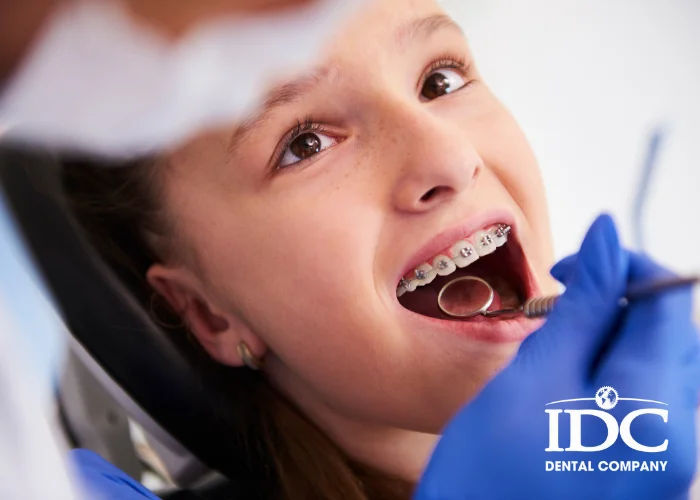
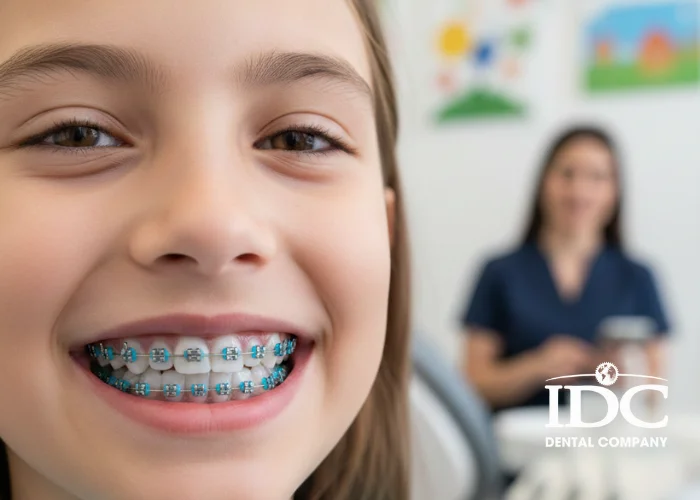
When does a child need growth-phase braces?
Bring your child to a dental check-up if you notice any of the following signs:
- Crowded or misaligned teethProtruding teeth(overjet)
- Underbite (lower jaw protruding)
- Gaps between teeth / large spaces
- Gaps between teeth / large spaces
- The child often bites their lips, sucks their thumb, or pushes their tongue
Treatment Duration & Monitoring
6–18 months
Growth-phase treatment
6–12 months
Monitoring permanent teeth eruption
12–24 months
Comprehensive orthodontic treatment (if needed)
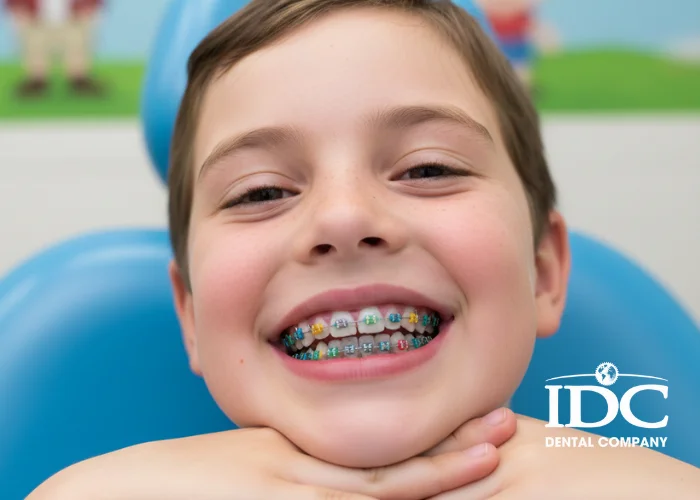
Benefits of early orthodontic intervention
- Guides proper growth of the jawbone
- Creates space for permanent teeth to erupt in correct positions
- Reduces the risk of having to extract teeth later
- Improves chewing function and speech articulation
- Prevents severe protrusion, underbite, and facial asymmetry in later years
- Builds confidence for the child in social interaction & learning
Why children need early braces
- A child’s jaws grow most actively between ages 6–12, which is the “golden period” to:
- Guide jaw growth in the correct direction
- Adjust misaligned teeth as they emerge
- Prevent worsening skeletal or dental misalignment
- If this period is missed, in adulthood:
- Jawbone may no longer be adjustable with functional appliances
- The child may need tooth extractions or jaw surgery when undergoing braces
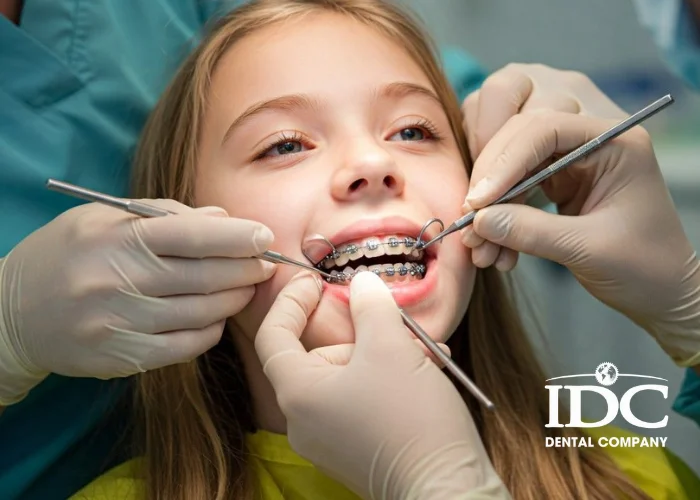
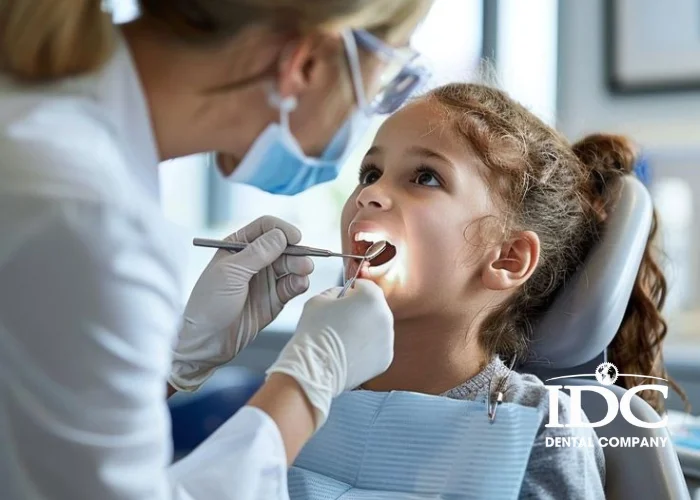
What to do when your child is undergoing growth-phase braces
- Attend regular check-ups on schedule
- Remind the child to maintain good oral hygiene
- Limit sweets and carbonated drinks
- Work on correcting bad habits (thumb sucking, nail biting, tongue thrusting)
- Encourage nose breathing instead of mouth breathing
