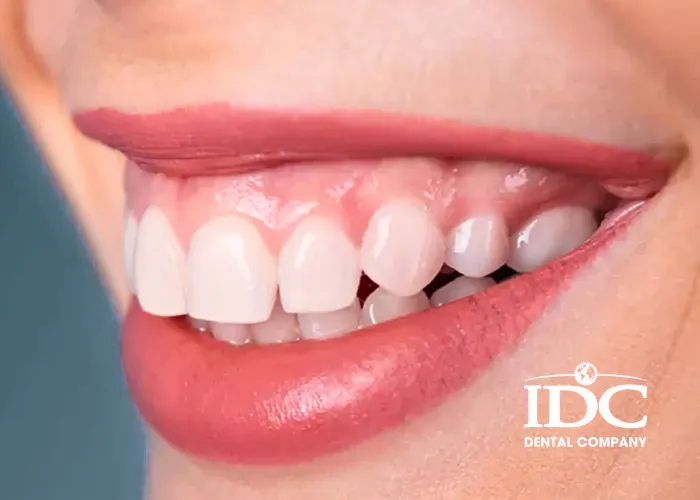
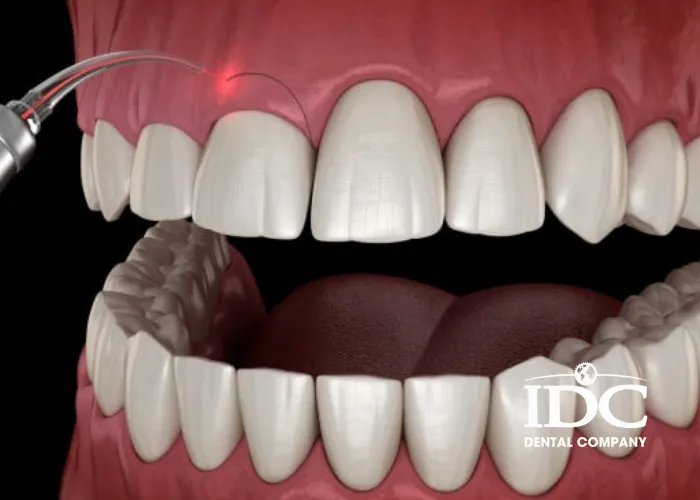
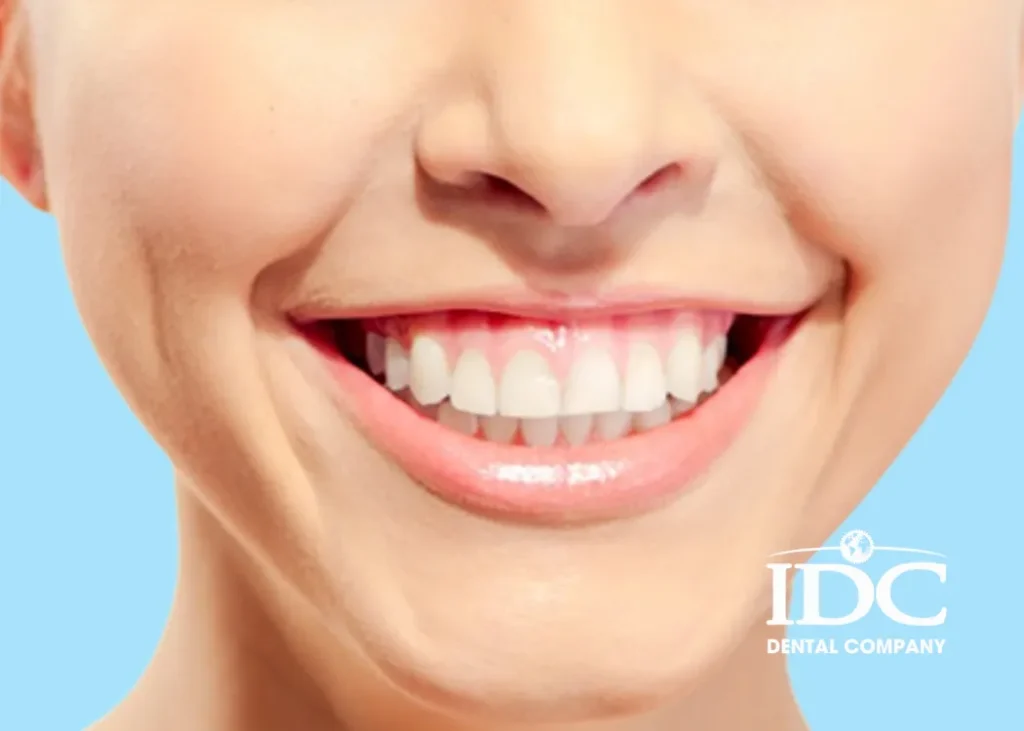
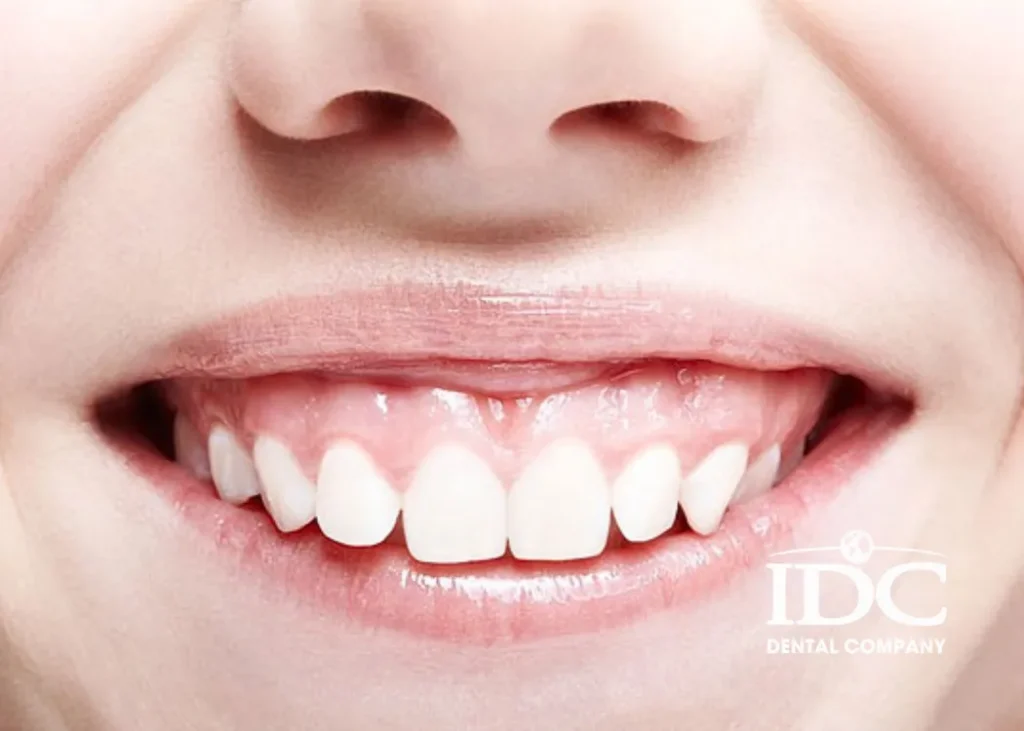
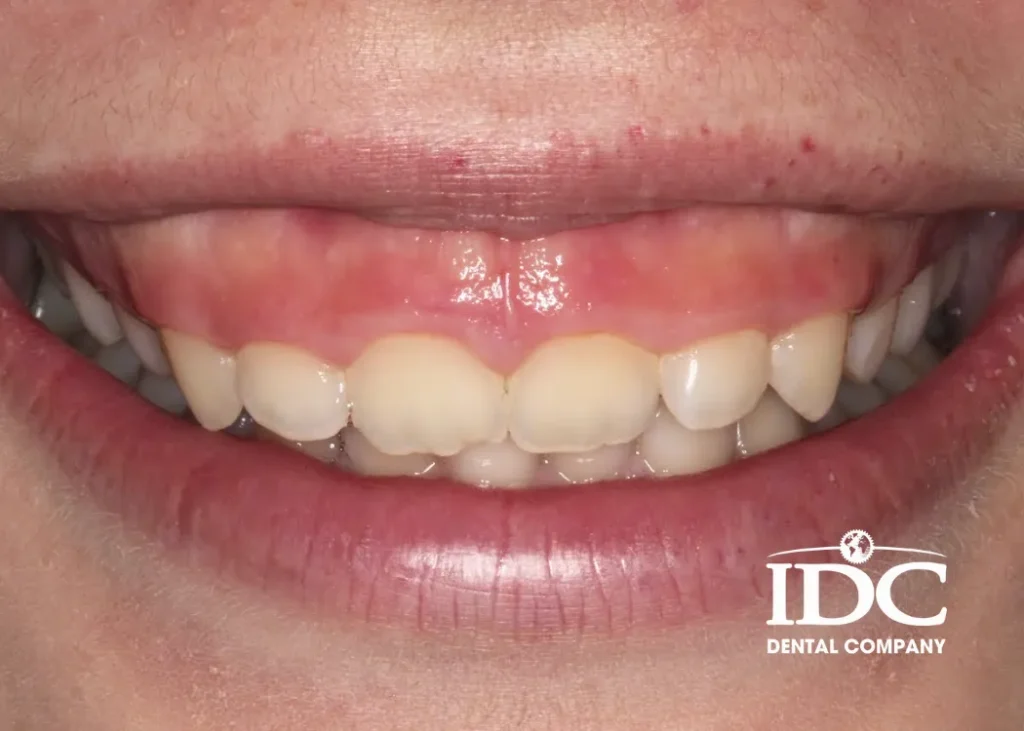
Treatment of Gummy Smile Treatment of gummy smile can be performed by gum minor surgery, adjusting the upper lip muscles, relaxing muscle injection, or combined orthodontics – bone surgery, depending on the cause of the gum exposure. Book Now Signs That You Might Have a Gummy Smile When you smile, more gum tissue shows than your teethYour teeth look short, as if they haven’t fully grown outYou feel “your smile isn’t pretty”, lacking confidence when talking or laughingYour upper lip raises too high when smilingGums are thick, and tooth proportions look imbalanced Read Gummy Smile Treatment According to Severity Level 1: Mild Gummy Smile (2–3 mm) Gum exposure is slight when smiling.Teeth may appear a bit short, but not severely misaligned.The upper lip moves normally, without exaggerated lift. Level 2: Moderate Gummy Smile (3–4 mm) Noticeable gum exposure that affects smile aesthetics.Teeth may be short or slightly recessed.The upper lip elevates higher than usual. Level 3: Severe Gummy Smile (> 4 mm) Gum exposure across most of the teeth, leading to a very unbalanced smile.Often associated with overbite, underbite, or a long upper jaw bone.Usually caused by skeletal issues rather than just gum or lip problems. Does the Treatment Hurt? Most methods use local anesthesia, so it’s generally painless. New-generation laser technologies cause minimal bleeding, recover quickly, and don’t require complicated post-treatment restrictions. Lip surgery or jaw surgery are done in a sterile operating environment, safely and under close supervision. “95% of patients say: ‘It’s much gentler than I expected, light and heals fast.’” Aesthetic Benefits After Treatment A soft, natural smile line Teeth look longer and more beautiful The lip moves more harmoniously when smiling The face appears more youthful and attractive You can smile freely without covering your mouth Increased confidence in communication and photography Book Now